How To Properly Take Care Of A Corn Snake
Corn snakes need access to fresh drinking water every day. Purchase the biggest hatchling the pet shop or breeder has for sale.

Albino Corn Snake Care
You should not be able to feel the snakes spine or ribs.
How to properly take care of a corn snake. Hatchlings are started on pinkie mice for feedings and the size of the prey should be increased as the snake grows. This can then be placed inside the vivarium so the snake can return home. If you use the carpeting or Astroturf you must wash it then let it dry thoroughly before it can be used in the tank again.
An overhead incandescent heat lamp is the preferred method of heating but corn snakes are from temperate climates so they do not need tropical temperatures. With corn snakes there are a couple of different substrates that can be used such as pine chips not cedar chips are toxic indooroutdoor carpeting and Astroturf. 6 Make sure you wash your hands after feeding.
When its eyes clear again the snake is ready to shed. Corn Snakes are often a snake lovers first pet snake and are usually purchased as babies. Corn Snake Habitat Key Takeaways.
When you first bring home a corn snake you should wait for two weeks before you attempt to handle it regularly. Captive corn snakes should be fed pre-killed frozen mice that are properly thawed. Change the water daily and check it often to ensure that there is no substrate feces or other particles in the dish.
Hesitation will scare your corn snake and will cause it to hide or bite. Dont carry your snake up until it has digested the prey enough that the lump in its middle has. In nature corn snakes could easily spend the next week in search of food receiving plenty of exercise in the process.
You can give your snake a shallow dish of tepid water to soak itself in as it goes through the shedding process. Always use antibacterial soap or hand gel before and after holding your snake and before and after feeding it. In other words a 3-foot-long corn snake requires a habitat with a 6-foot perimeter.
Our RSPCA expert has advice on looking after a corn snake. Caring Tips for Your Corn Snake - Corn Snake. Enclosures can be lined with newspaper indooroutdoor carpeting or pine chips.
The hatchling should not have. Approach your corn snake from the side to avoid threatening it as a predator would approach it from the top. Find a Healthy Hatchling.
Keep your snakes water dish clean and full. The prey item can be as wide or a little wider than the snakes head. Use lightweight cotton gloves as long as you feel it is needed.
A basking site should be 85 to 88 F. Climbing branches arent necessary but most corn snakes will use them. Corn snakes should not be handled directly after feeding as this can cause them to regurgitate the food.
Keep an ambient temperature of 80 to 85 F. Watch our video with lots of information about how to set up a vivarium for a corn snake properly. Gently but confidently lift it.
Feed your snakes alone to avoid food aggression. Corn snakes should be kept in a secure enclosure and fed mice regularly. This can be provided in a solid bowl that the snake is unable to tip over.
Hatchling Corn Snakes are 23-25cm in length and are quite slender. Youll need to add a few things to the habitat to make it comfortable for your snake. Requiring at minimum a 30 gallon tank corn snakes must have a clear day to night schedule with a bright white light but can also benefit from UVB.
Corn snakes require a temperature of between 70 degrees and 85 degrees F. If the snake has been fed outside of its vivarium an appropriate container should be used. Feed growing snakes twice per week.
Besides having clean water for drinking corn snakes often like to soak in water before shedding their skin. Corn snakes will overeat if you offer them more food. Have two pieces on hand which can be rotated.
After these two weeks you should take it slowly and handle your snake only for a few minutes at a time two to three times a week. Make sure that the snake always has access to fresh clean water in a ceramic dish. Be sure to stay away from your snake until the lump from the prey disappears.
Maintaining your corn snakes home at the correct temperature is vital. This includes a safe substrate a water dish and at least one hiding box. One rodent every one to two weeks is a perfectly fine feeding regimen for most healthy adult corn snakes.
Corn snakes like other creatures are susceptible to parasites and illnesses -- many of which are deadly. This article discusses the care of baby corn snakes. A good general rule of thumb is to let all snakes restno handling or bothering them in any wayfor three days after any meal.
Adults need only be fed one appropriately sized prey item every week or 10 days. Youll need to establish 3 temperature zones as well ambient temperature 78-82F a basking surface 90F and a cool zone 75F. Put your snakes alone in its terrarium or with appropriate buddies.
The snakes will often burrow under the chips or carpet.
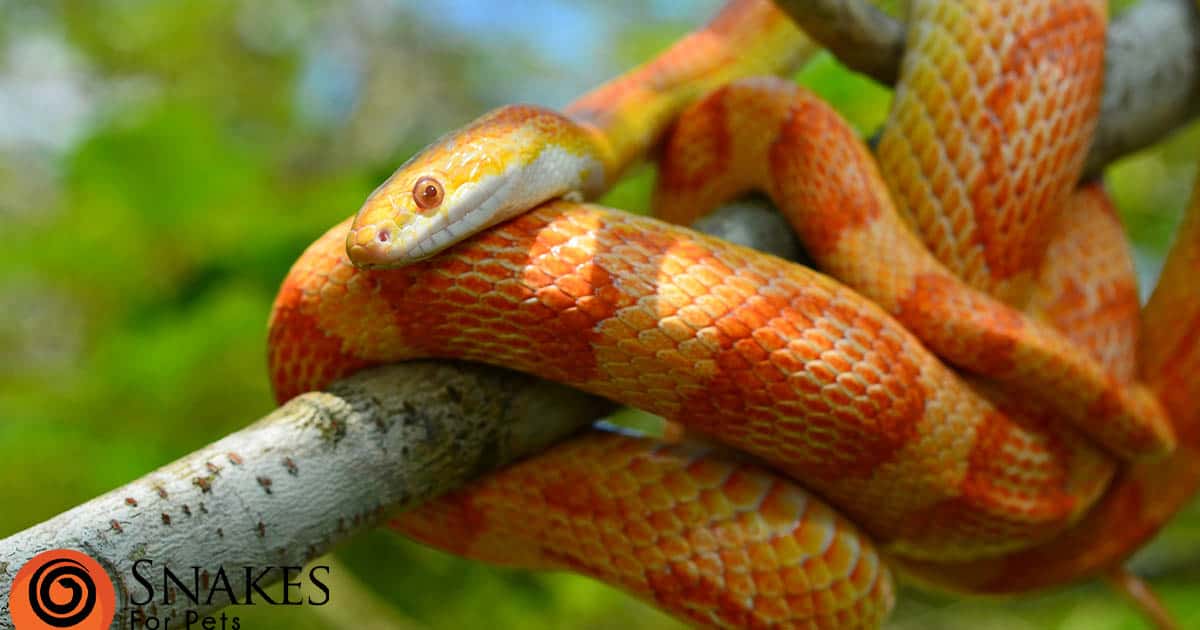
Corn Snake Pet Care Advice And Tips For Beginners

Here S How To Care For Your Corn Snake The Critter Depot
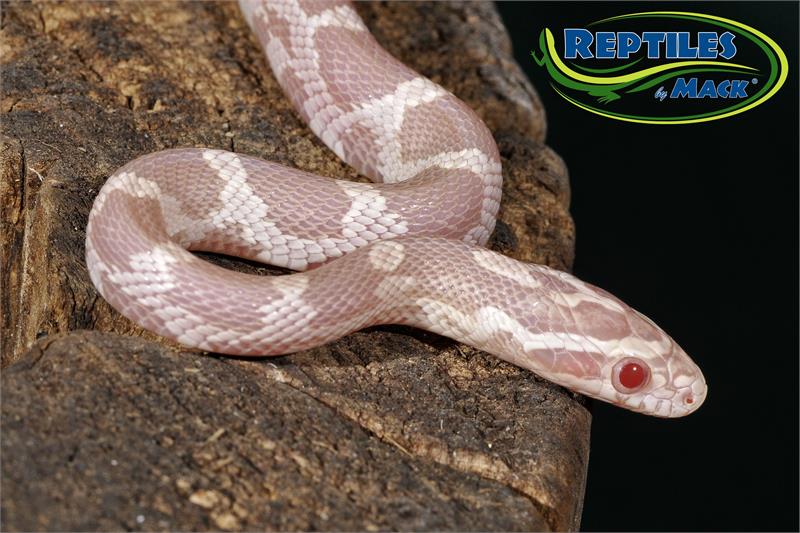
Corn Snake Care Sheet Reptiles By Mack

10 Things You Should Know Before You Get A Corn Snake
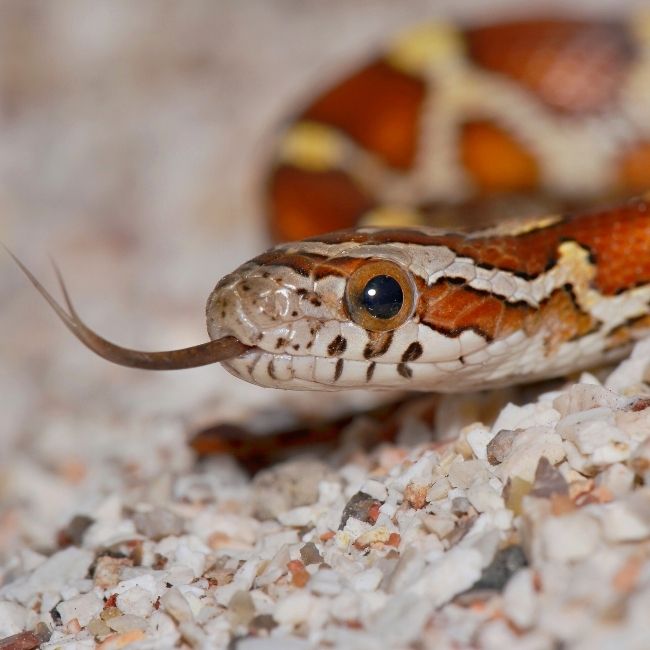
Pet Care How To Take Care Of Corn Snake Thermometer World
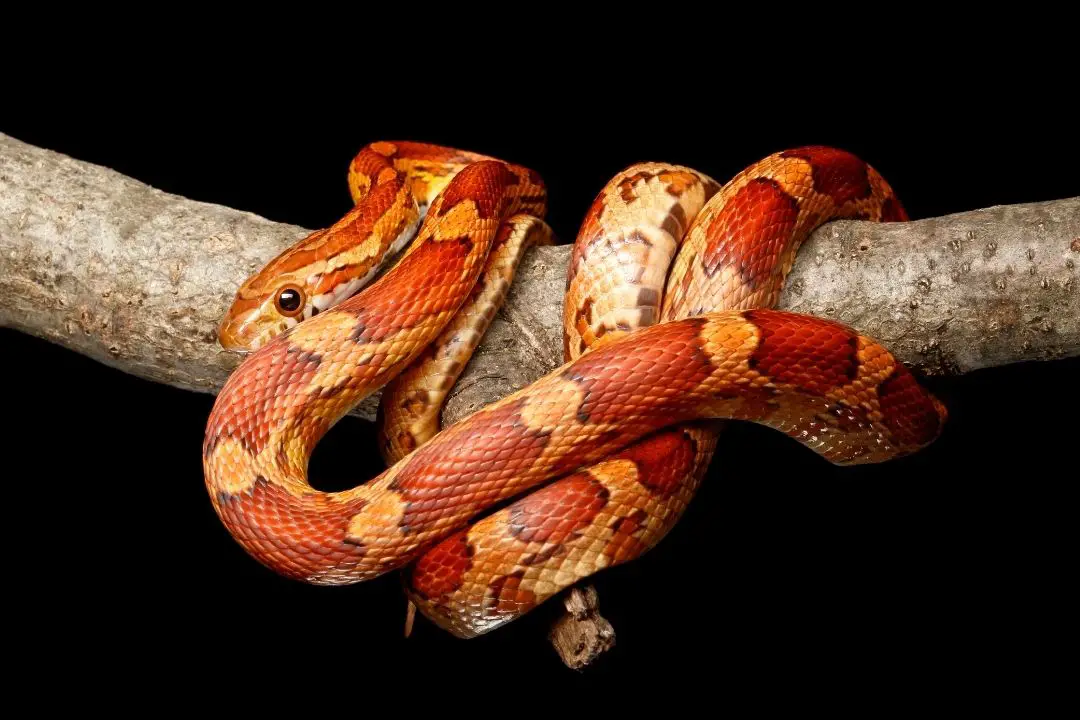
Corn Snake Care Sheet Complete 101 Guide Reptilehow Com
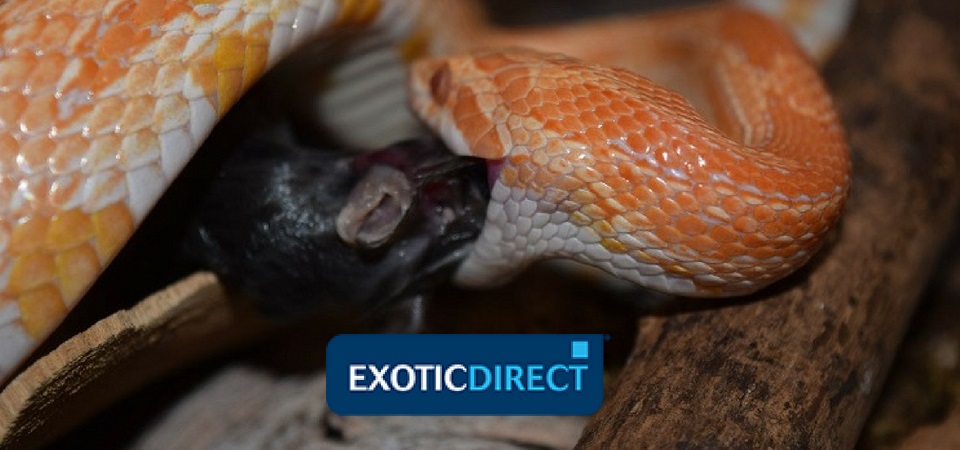
Feeding Corn Snakes Exoticdirect

Snow Corn Snake Complete Care Guide Every New Owner Needs
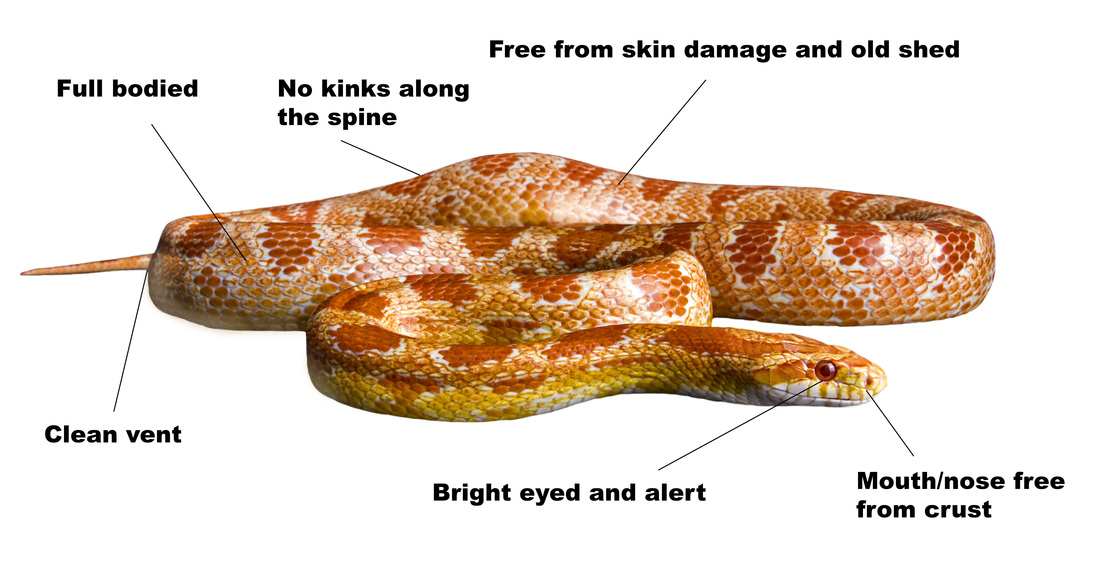
Corn Snake Care Sheet

Corn Snakes 101 The Basic Corn Snake Care Guide 2019 Youtube

How To Care For Baby Cornsnakes With Pictures Wikihow

How To Take Care Of A Corn Snake
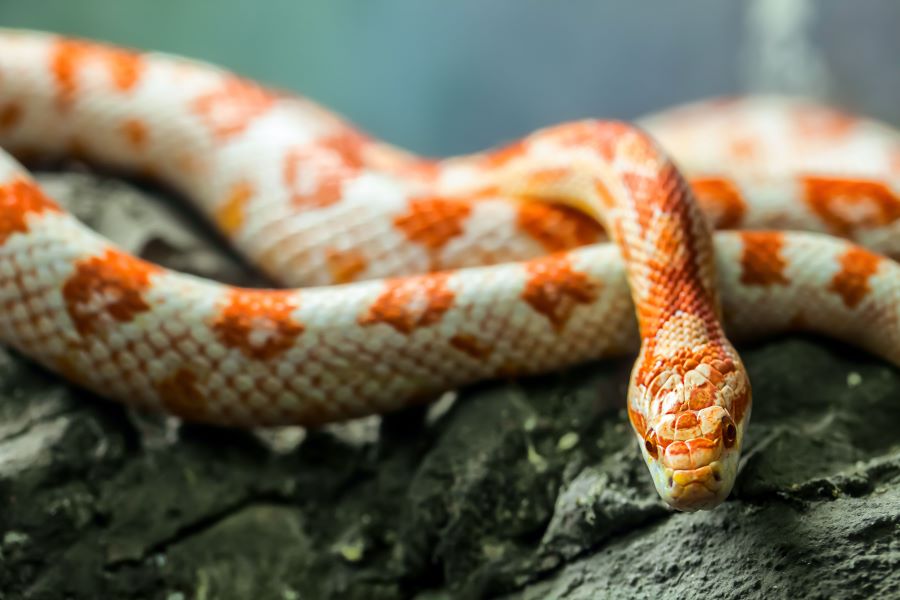
8 Reasons Why Corn Snakes Are Good For Beginners Mercury Pets
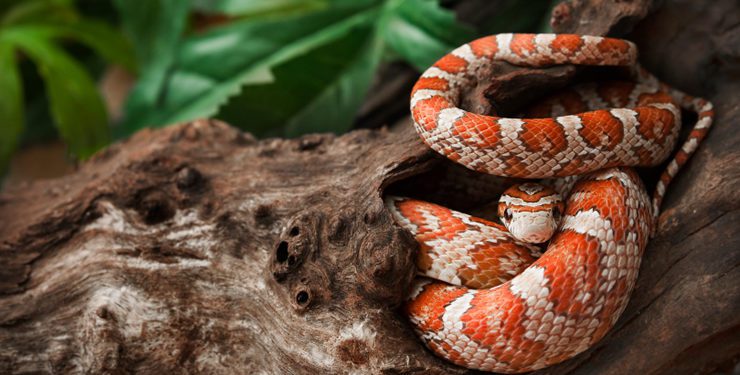
A Complete Guide To Caring For Pet Corn Snakes Mypetcarejoy
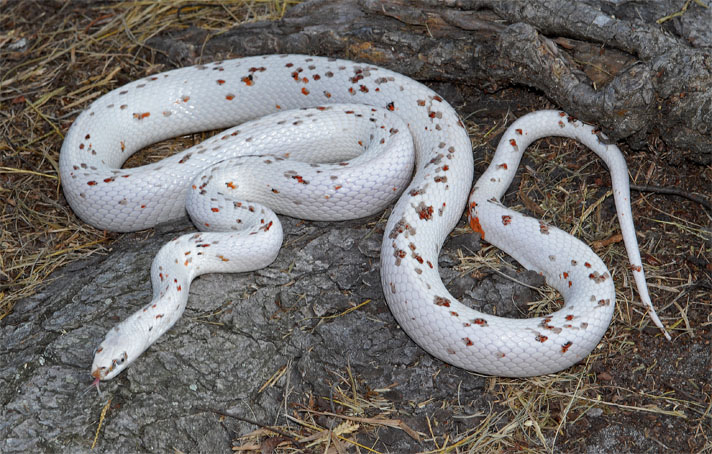
How To Choose And Care For A Corn Snake Reptiles Magazine

How To Care For A Corn Snake Youtube
/corn-snake-from-the-lower-florida-keys-530475947-588124bc5f9b58bdb3ec9f93.jpg)
Corn Snake Pet How To Discuss
Corn Snake Care Food Adult Size Lifespan Habitat Petco
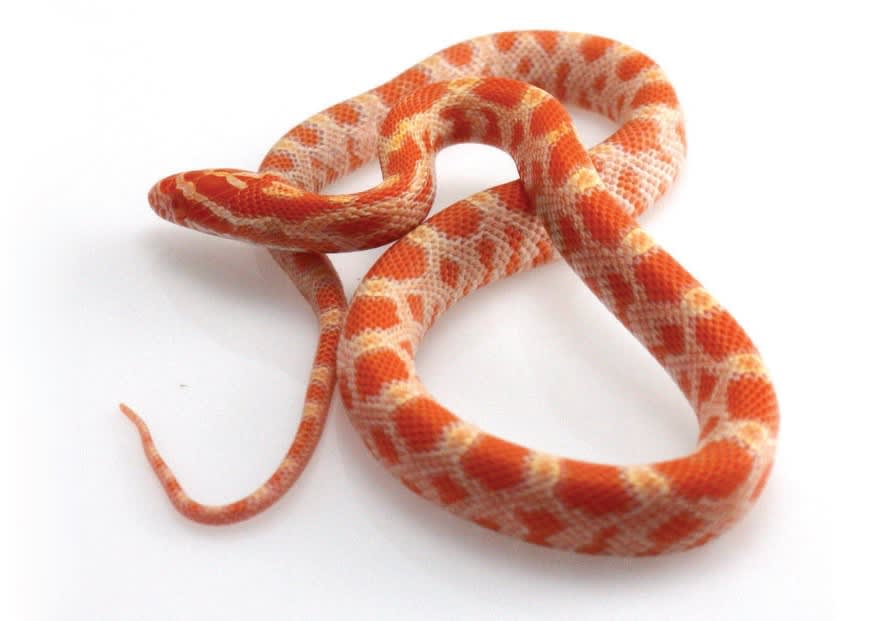
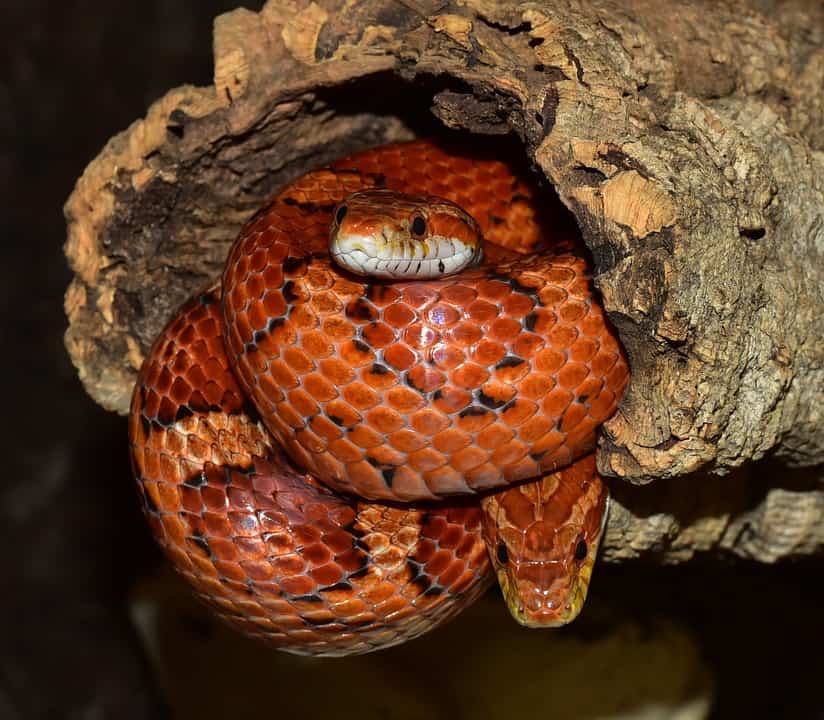
Corn Snake Care Sheet A Simple But Complete Guide For Beginners

Posting Komentar untuk "How To Properly Take Care Of A Corn Snake"